
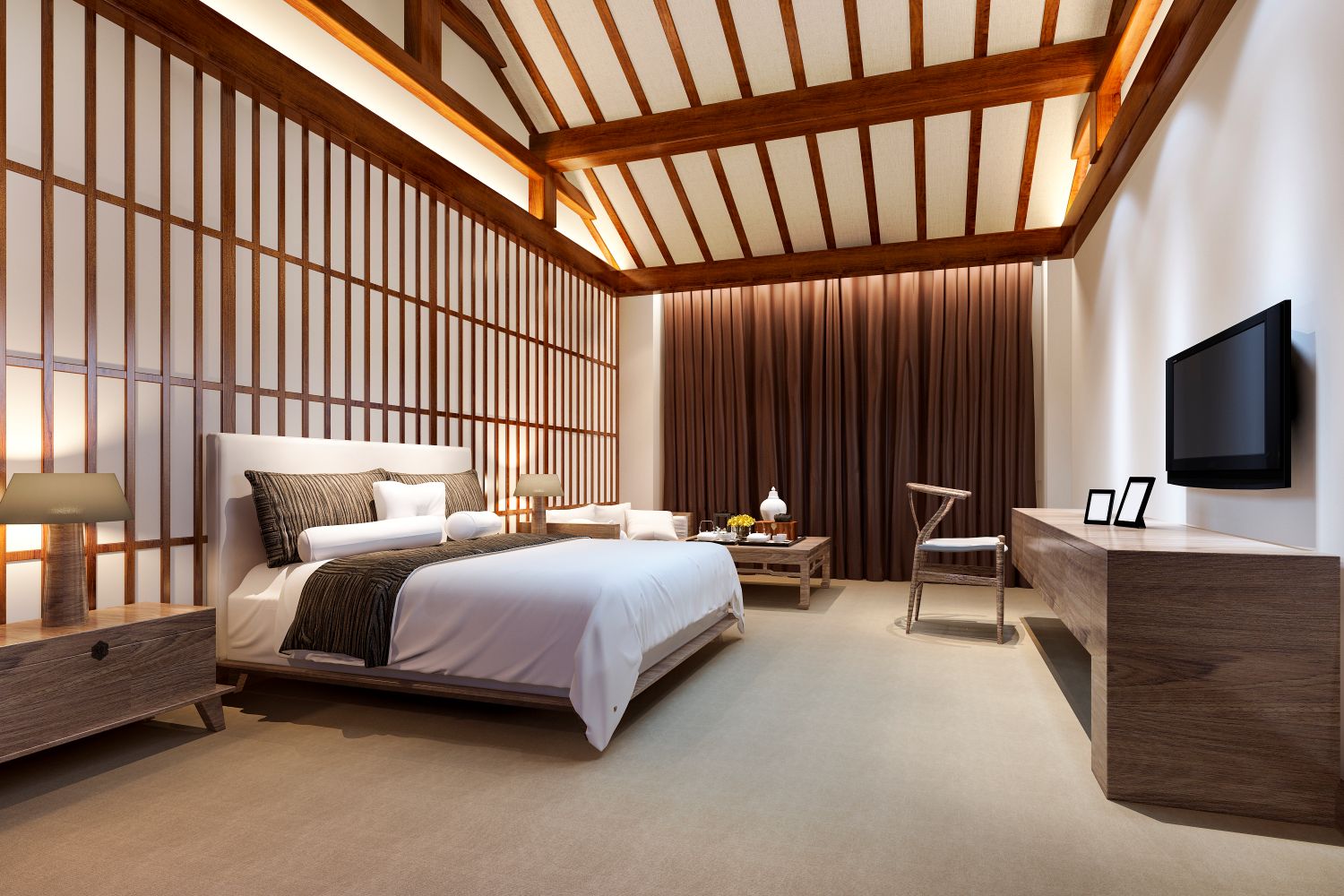
Japanese-style hotels are gaining significant attention from travelers globally, presenting a distinctive combination of tradition and modernity. From the serene atmosphere of ryokans to the innovative appeal of capsule hotels, these accommodations offer an engaging cultural experience. This exploration will define what constitutes a Japanese-style hotel, examine the factors contributing to their rising popularity, and outline the various types available, highlighting the unique charm of these establishments. Additionally, this discussion will uncover the features, services, and recommendations for selecting the ideal Japanese-style hotel for your next journey.
The Concept of Japanese-Style Hotels
Japanese-style hotels represent a unique segment of the hospitality industry, providing guests with an immersive cultural experience grounded in centuries-old traditions.
Accommodations such as Ryokan and Onsen are meticulously designed to foster tranquility while showcasing Japan’s natural beauty through thoughtful architecture and interior design.
The focus on traditional hospitality and personalized service cultivates a serene atmosphere where guests can indulge in kaiseki cuisine, engage in bathing rituals, and appreciate the rustic charm of tatami and futon bedding.
Additionally, the incorporation of eco-friendly practices and heritage tourism contributes to sustainability, making these distinctive hotels a favored choice for travelers in search of authenticity.
What Defines a Japanese-Style Hotel?
A Japanese-style hotel is characterized by its commitment to traditional hospitality, where every aspect, from the design to the services provided, is meticulously designed to foster a sense of tranquility and cultural appreciation. These accommodations typically feature tatami mat flooring, futon bedding, and an interior design that embraces Zen principles, creating a serene environment that connects guests with Japan’s rich cultural heritage.
Along with these distinctive features, Japanese-style hotels often include communal areas that promote social interaction, such as shared onsen (hot springs) and tatami-lined lounges. The architecture harmoniously integrates with the natural surroundings, frequently employing sliding shoji screens and wooden beams that invite the outdoors in and create a sense of balance with the environment.
The aesthetic appeal of these properties is further enhanced by minimalist furnishings, thoughtfully curated art, and an emphasis on craftsmanship that reflects the deep respect for nature and tradition intrinsic to Japanese culture. Guests are also afforded the opportunity to experience seasonal changes through unique culinary offerings and decor, thereby enriching their immersion in this captivating culture.
Reasons for the Growing Popularity
The increasing popularity of Japanese-style hotels can be attributed to various factors, including their cultural significance and the distinctive experiences they provide.
As travelers increasingly seek immersive accommodations that emphasize wellness and a connection to nature, ryokans and onsens have become preferred options, seamlessly blending authentic regional specialties with modern amenities.
Moreover, these hotels frequently serve as gateways to well-known tourist attractions, further solidifying their status as favored choices within the contemporary adventure tourism sector.
Cultural Appeal and Unique Experiences
The cultural appeal of Japanese-style hotels is rooted in their capacity to deliver unique experiences that extend beyond the confines of conventional accommodation. Guests are often presented with kaiseki cuisine, a multi-course dining experience that emphasizes seasonal ingredients, while traditional rooms, adorned with local craftsmanship, provide immersive stays that cultivate a profound appreciation for Japan’s rich heritage.
These establishments frequently encourage interactions with local artisans, enabling visitors to observe or even engage in traditional crafts such as pottery and textile weaving. Opportunities for language immersion through workshops and guided tours further enhance understanding and appreciation of Japanese culture. Engaging with amicable locals not only enriches the experience but also fosters cultural exchange, resulting in lasting memories.
Moreover, these hotels often incorporate elements of Zen philosophy in their design and ambiance, promoting a serene atmosphere that aligns with the principles of mindfulness. This intentional design invites guests to slow down and appreciate the beauty that surrounds them.
Convenience and Comfort
Japanese-style hotels artfully combine traditional elements with modern amenities, ensuring a comfortable and convenient experience for a diverse range of travelers. Whether one is seeking luxury accommodations or budget-friendly options, these establishments provide personalized service tailored to the unique needs of families, solo travelers, and groups.
The elegance of tatami mats and shoji screens complements high-speed Wi-Fi and en-suite bathrooms, creating an inviting environment where heritage seamlessly integrates with contemporary convenience. Guests have the opportunity to enjoy the tranquility of a traditional ryokan, complete with authentic kaiseki meals, while benefiting from in-room technology that enhances their experience.
Many of these establishments take pride in offering customized services, from arranging local tours to accommodating specific dietary restrictions, ensuring that every visitor feels valued and understood. This harmonious fusion not only enriches the cultural experience but also enhances overall comfort, making each stay truly memorable.
Types of Japanese-Style Hotels
Japanese-style hotels comprise a diverse range of unique accommodations, each providing distinct experiences that embody the essence of traditional hospitality.
Among these, ryokans are renowned for their intimate ambiance and exquisite kaiseki dining.
In contrast, capsule hotels offer a modern and budget-friendly alternative for travelers seeking efficiency while maintaining a level of comfort.
Additionally, machiya inns, characterized by their historic architectural styles, present an appealing option for those wishing to immerse themselves in the local culture.
Ryokans
Ryokans are traditional Japanese inns that exemplify the essence of hospitality, often situated in tranquil environments conducive to immersion in nature. Guests are afforded the opportunity to partake in onsen bathing rituals, savor authentic kaiseki cuisine, and appreciate the rustic elegance of tatami-lined rooms, making ryokans an integral component of the Japanese travel experience.
These distinctive establishments offer a peaceful retreat, enabling visitors to relax and engage deeply with Japan’s rich cultural heritage. Typically, ryokans feature communal bathing areas enhanced by natural hot springs, where the restorative onsen experience not only revitalizes the body but also nourishes the spirit.
Guests are treated to kaiseki, an intricate multi-course meal, where each dish is meticulously crafted and presented with seasonal ingredients. The meticulous attention to detail in both service and culinary presentations reflects a profound respect for tradition, fostering a significant connection between visitors and the essence of Japanese hospitality.
Capsule Hotels
Capsule hotels represent a contemporary evolution of traditional lodging, offering efficient and cost-effective accommodations for individuals seeking unique experiences without sacrificing comfort. These innovative establishments employ modern amenities to optimize functionality, primarily catering to budget-conscious travelers and those desiring a minimalist alternative to conventional hotels.
The design philosophy underlying capsule hotels embodies a harmonious blend of modernity and simplicity, showcasing an intelligent use of space that frequently includes compact, yet comfortable sleeping pods. With their sleek, futuristic aesthetics, these accommodations appeal not only to price-sensitive individuals but also to travelers in search of a distinctive lifestyle choice.
The communal areas promote social interactions among guests, cultivating a vibrant atmosphere that enhances the overall experience.
Each pod is typically equipped with essential features such as charging points, lighting controls, and privacy curtains, ensuring a comfortable and personalized stay that aligns with the needs of today’s mobile adventurers.
Machiya Inns
Machiya inns are traditional townhouses that exemplify the rich history of Japanese architecture, often located in the historic districts of cities such as Kyoto. These inns provide guests with a cultural experience that emphasizes local customs, allowing visitors to immerse themselves in the past while enjoying modern amenities.
Staying in a Machiya transcends mere accommodation; it offers an immersive journey into history, where the elegant wooden beams and sliding doors convey narratives of generations.
With features such as tatami mat flooring, traditional futons, and tranquil gardens, visitors can relax in an environment that reflects the essence of Japanese living.
Along with the serene accommodations, experiences such as tea ceremonies, local crafts, and guided tours of nearby temples enhance the stay, positioning the inns not only as peaceful retreats but also as gateways to the region’s rich cultural heritage.
Every moment spent in a Machiya fosters an appreciation for the meticulous craftsmanship that has been preserved through the ages, enriching the traveler’s experience with profound connections to Japan’s storied past.
What to Expect During a Stay
During a stay at a Japanese-style hotel, guests can anticipate a harmonious integration of traditional elements and modern amenities designed to enhance their overall experience.
From the moment of arrival, a strong emphasis is placed on hospitality etiquette, ensuring that guests feel welcomed and valued.
This attention to service allows them to fully engage in cultural experiences, wellness retreats, and the tranquil ambiance of their surroundings.
Traditional Features and Services
Traditional features in Japanese-style hotels, such as tatami flooring and futon bedding, establish a serene environment conducive to relaxation and reflection. Guests have the opportunity to savor kaiseki cuisine, partake in bathing rituals, and engage with the rich cultural practices that characterize this unique hospitality experience.
The meticulous attention to detail in these hotels goes beyond mere aesthetics; it reflects a profound respect for nature and simplicity. The gentle rustling of shoji screens and the soothing aroma of green tea contribute to a holistic atmosphere designed to transport visitors into a state of tranquility.
Experiencing a meticulously prepared kaiseki meal allows guests to appreciate seasonal ingredients and exquisite presentation that encapsulate the essence of Japanese culture. Additionally, the sacred bathing rituals-often conducted in an onsen or a hinoki-scented bath-provide restorative benefits that enhance physical wellbeing and foster a genuine sense of harmony with oneself.
Modern Amenities and Offerings
Japanese-style hotels, while rooted in tradition, also offer modern amenities that ensure guests experience comfort and convenience throughout their stay. These amenities often include personalized service, Wi-Fi access, and eco-friendly practices that align with contemporary travel trends, allowing guests to enjoy the best of both worlds.
In this harmonious blend of the past and the present, guests can find tranquil onsen baths equipped with advanced filtration systems, ensuring a clean and sustainable experience. Luxurious futons are complemented by climate control features, providing a restful night’s sleep regardless of the season.
Many establishments emphasize farm-to-table dining experiences that showcase local produce while minimizing their carbon footprint. This conscientious approach to hospitality not only enhances the guest experience but also demonstrates respect for the environment, creating a holistic experience that resonates with those seeking to indulge in authentic cultural experiences without sacrificing modern comforts.
Tips for Choosing and Booking a Japanese-Style Hotel
When selecting and reserving a Japanese-style hotel, it is essential to consider various factors that align with your travel preferences and budget.
Whether one is seeking family-friendly options, luxurious experiences, or budget accommodations, comprehending the unique characteristics of different hotels is crucial for making an informed decision.
Factors to Consider
When selecting a Japanese-style hotel, it is essential to consider several factors to ensure a satisfactory experience. The location is of paramount importance, whether one seeks proximity to tourist attractions or a tranquil retreat in nature.
Additionally, the amenities offered and the availability of cultural experiences significantly influence the selection process.
Furthermore, the style and theme of the hotel can enhance the overall experience; options vary from traditional ryokans featuring tatami mats and futons to modern establishments that provide Western comforts.
Guest reviews can offer invaluable insights, reflecting firsthand experiences and tips that may not be emphasized in promotional materials. It is important for the price point to align with both budgetary constraints and expectations.
Equally important is the hotel’s reputation for hospitality and service, which is crucial for achieving an authentic Japanese experience that transcends merely having a place to stay.
Recommended Locations and Hotels
For travelers in search of exceptional Japanese-style hotels, several distinguished locations merit attention, each offering unique accommodations that cater to a variety of preferences. Renowned destinations such as Kyoto and Tokyo boast a diverse selection of ryokans, capsule hotels, and machiya inns, frequently featured in travel blogs and review platforms.
In Kyoto, the historic Gion district is home to traditional ryokans like Gion Hatanaka, where guests have the opportunity to experience authentic kaiseki dining alongside the elegance of Japanese hospitality.
Conversely, Tokyo’s Shinjuku area appeals to modern travelers with its innovative capsule hotels, such as The Pod, which seamlessly blend technology with minimalist design, making them ideal for a contemporary urban experience.
Each of these accommodations not only offers a comfortable stay but also immerses visitors in the rich culture and traditions of Japan. As frequently noted by travel bloggers, the meticulous attention to detail and unwavering commitment to guest satisfaction in these establishments create memorable experiences for all who choose to visit.